Climbing frames
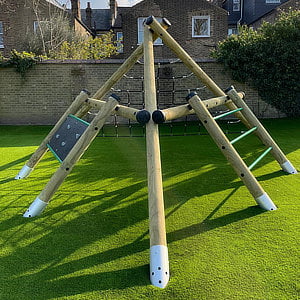
Multi-activity structures with climbers, nets, walls and slides that build strength and confidence, graded to every age group and tested to BS EN 1176.
Explore climbing framesCommercial playground equipment gives children the physical challenge that builds strength, balance and confidence. Commercial Play designs, supplies and installs commercial-grade school playground equipment, from climbing frames and play towers to trim trails, swings and aerial runways, manufactured and installed to BS EN 1176 and graded for every age group.
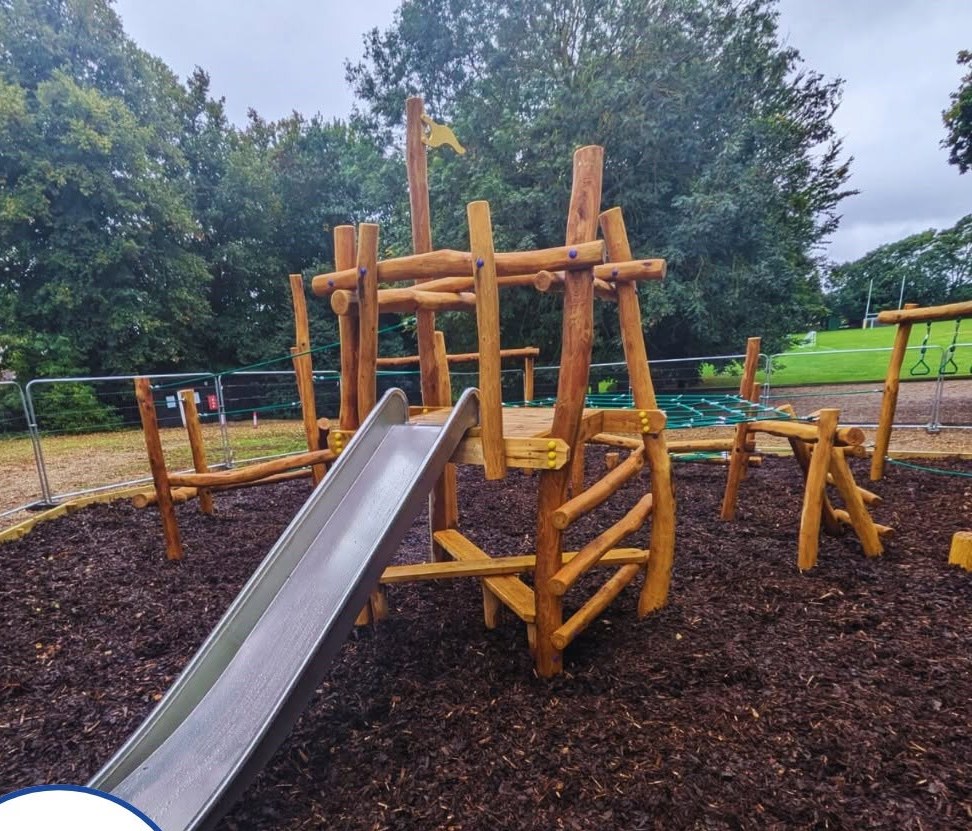
Commercial Play supplies and installs the following playground equipment types: climbing frames, play towers and slides, swings, springers and spinners, aerial runways, traverse and climbing walls, mud kitchens and messy play, and metal play equipment. Each suits a different age group, footprint and budget, so we specify by your pupils and space rather than a house default.
Here is a one-line view of each, with full detail on the dedicated pages.
Multi-activity structures with climbers, nets, walls and slides that build strength and confidence, graded to every age group and tested to BS EN 1176.
Explore climbing frames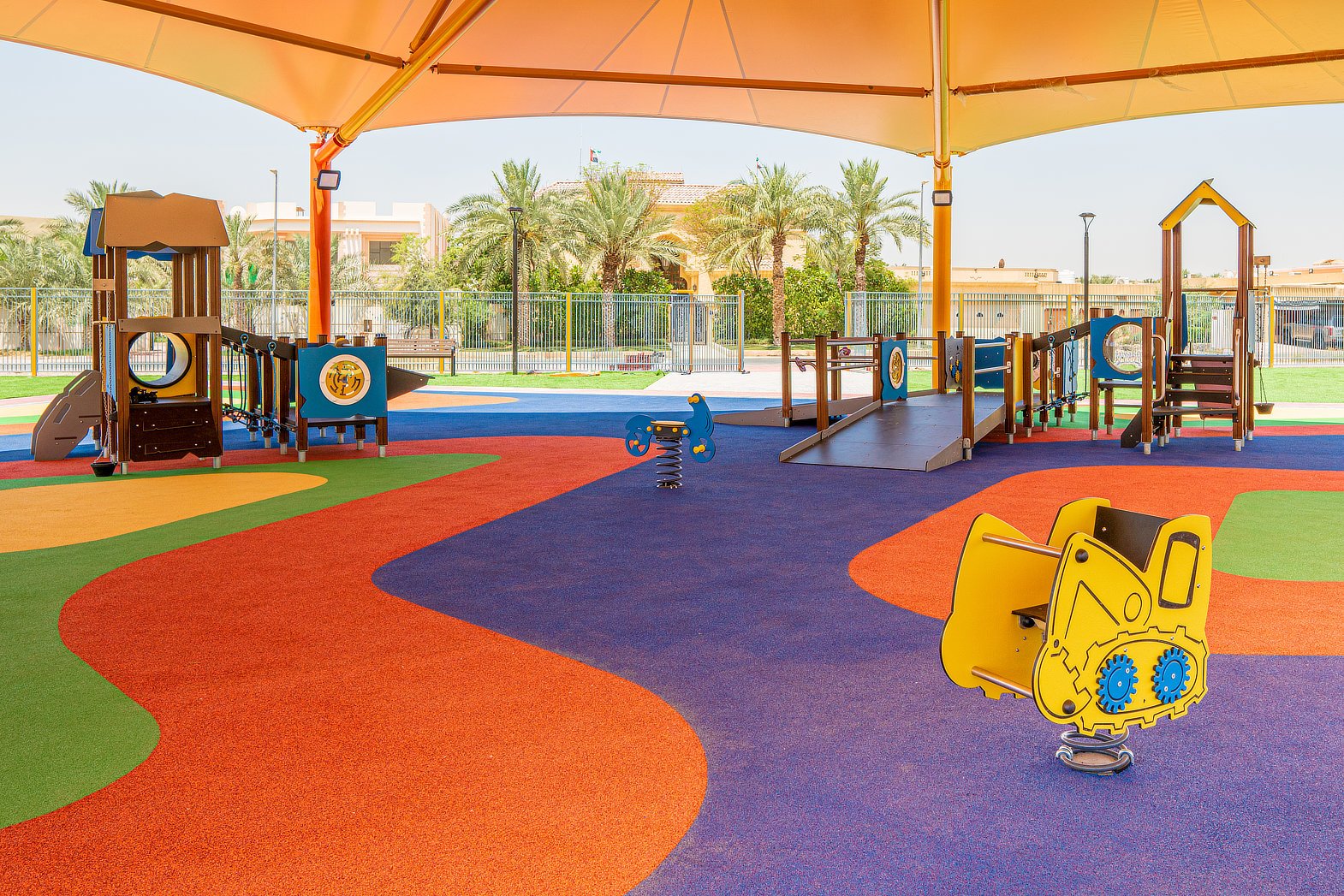
Raised platforms linked by slides, bridges, climbers and dens, the centrepiece of a play area, from a single tower to a full multi-play system.
Explore play towers & slides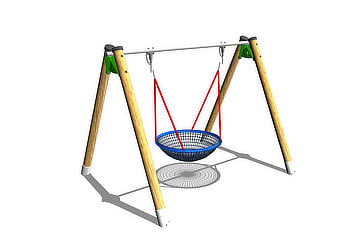
The movement children love, flat, cradle, basket and nest swings, spring rockers and roundabouts, with inclusive options so everyone joins in.
Explore swings, springers & spinners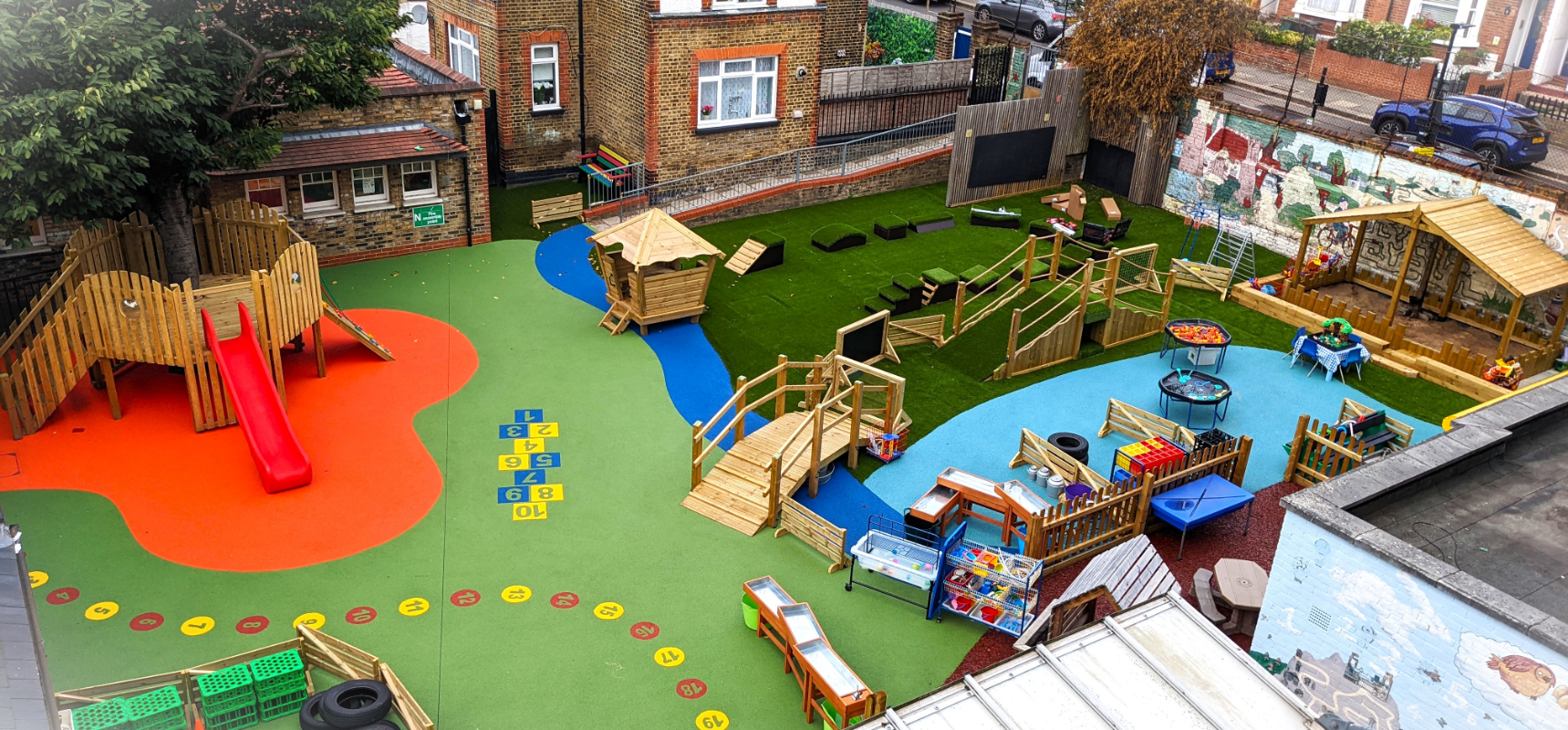
The playground zip wire, the biggest thrill in the play area, building grip and nerve, for sites with a long, clear run.
Explore aerial runways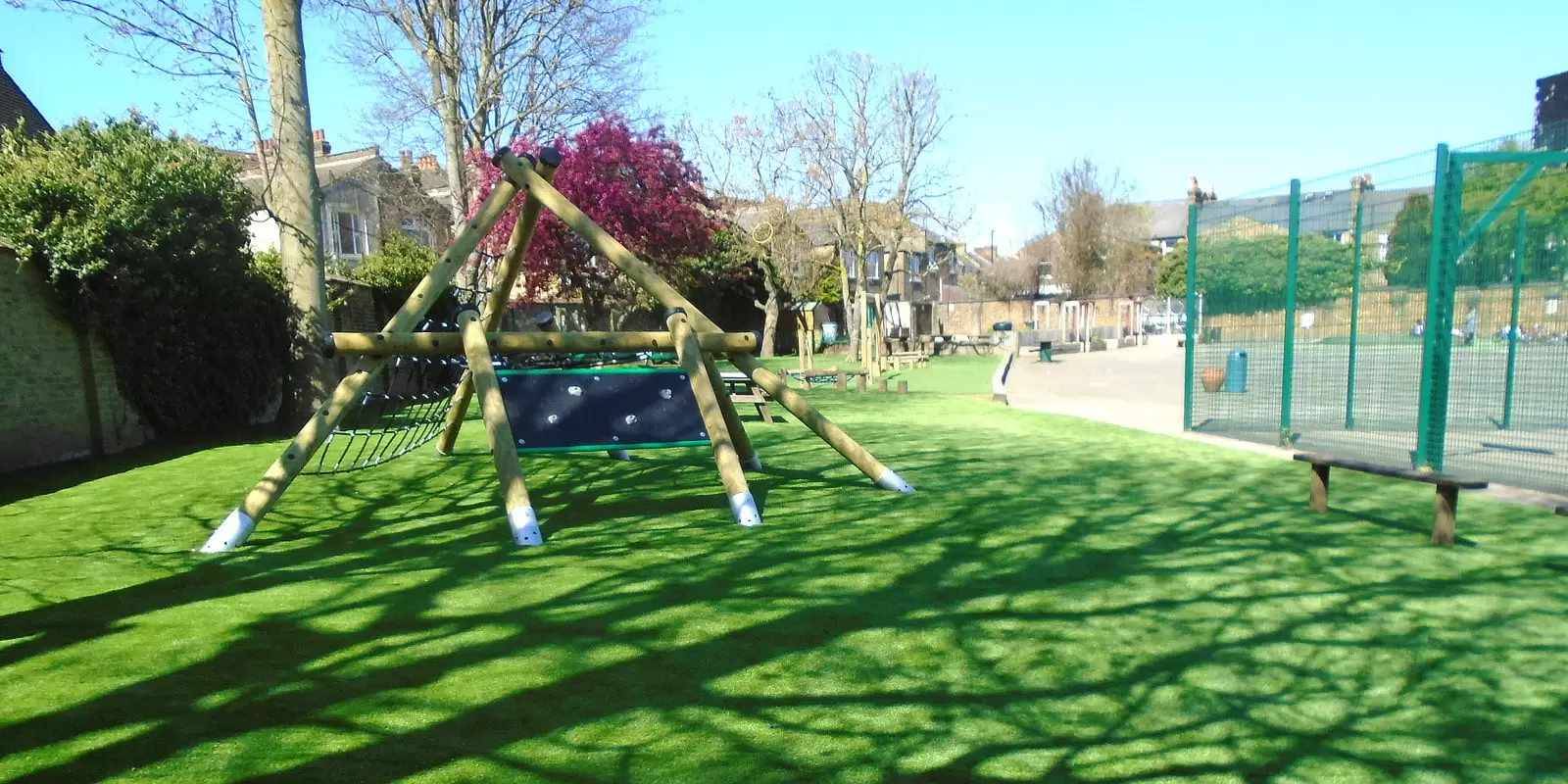
Low walls children climb sideways along, giving grip and problem-solving with minimal height, great-value active play along a wall or fence.
Explore traverse & climbing walls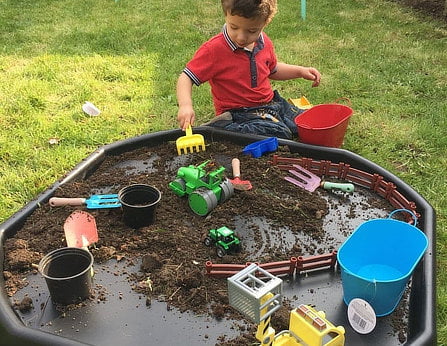
Hardwood outdoor kitchens where children mix, pour and make-believe, building language, science and fine motor skills, an EYFS favourite.
Explore mud kitchens & messy play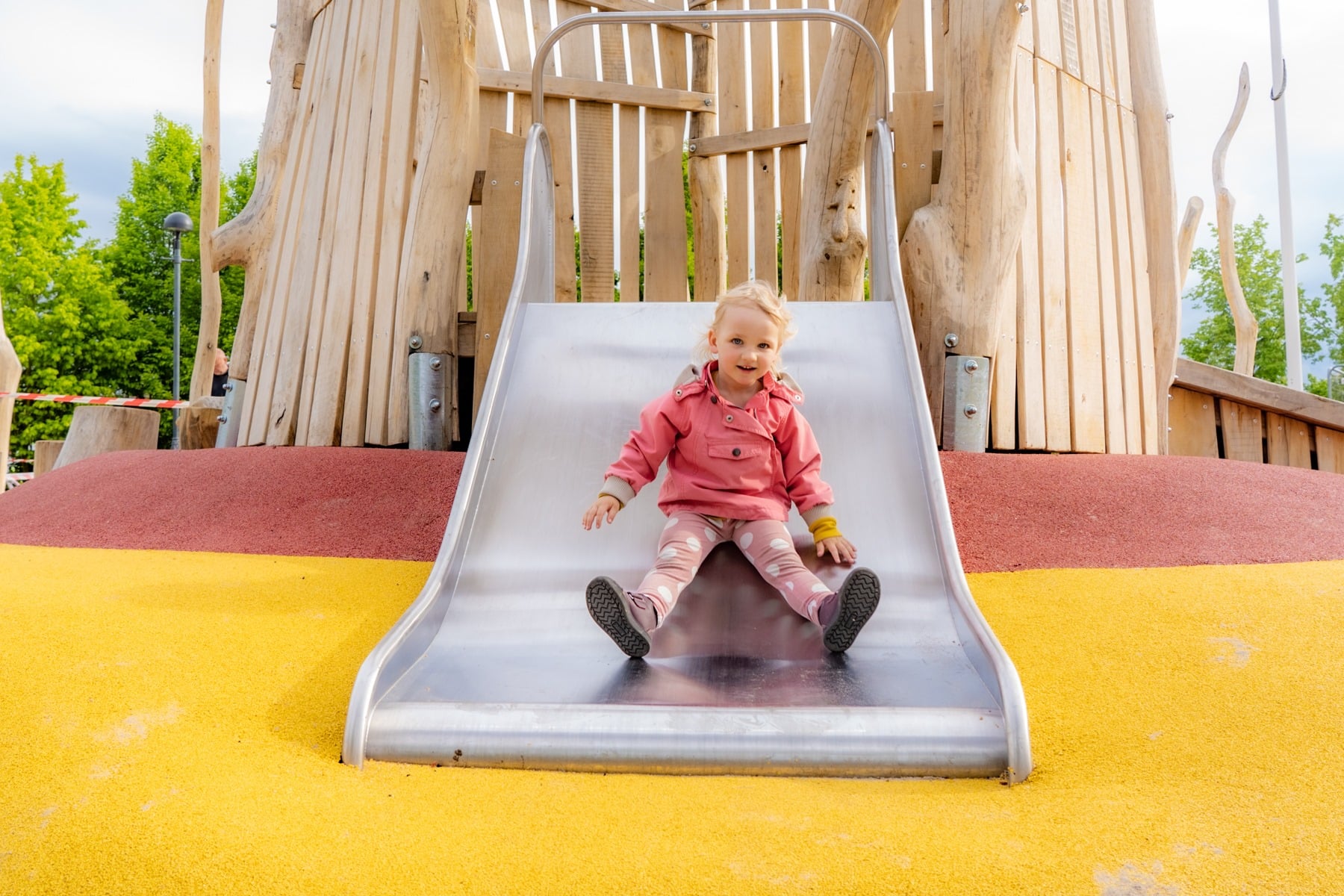
Powder-coated steel frames, slides and climbers built to outlast heavy use and weather, ideal for high-traffic and public play areas.
Explore metal play equipmentThe best playground equipment is the item matched to your pupils' age group, the space available and the play value per square metre: climbing frames and play towers suit a central multi-play feature, trim trails and traverse walls suit active circuits along a fence or field, swings and springers suit movement play, and mud kitchens suit EYFS language and fine-motor learning.
For a nursery or early-years area we usually steer towards low springers, cradle swings and mud kitchens for the tactile, ground-level challenge. For primary and secondary pupils, taller climbing frames and aerial runways hold attention and build grip and nerve. We plan the mix around your footprint so the space earns its play value.
A single climbing frame or play unit costs around 1,900 to 12,000 pounds installed, with typical school climbing frames landing near 2,500 to 3,000 pounds, and a linked trim trail installed onto grass costs under 10,000 pounds. These are indicative ranges to confirm at survey, not fixed prices: the number of activities, the tower height, the material and the safety surfacing all move the figure.
Your final cost is driven by the equipment chosen, the size and height of the structure, the material, and the safety surfacing the free height of fall demands. Installing a small unit or trail straight onto sound grass keeps groundworks and cost down, while a multi-play tower on wet pour carries a higher surfacing spend. For a firm number, get a playground equipment quote and we will price your exact site.
| Equipment | Typical age group | Free height of fall | Indicative cost installed | Material and lifespan | Best for |
|---|---|---|---|---|---|
| Climbing frames | EYFS to secondary | Up to 3m | £1,900 to £12,000 | Hardwood or steel, 15 to 25 years | A central multi-activity feature |
| Play towers and slides | Primary to secondary | Up to 3m | £3,000 to £30,000 plus | Timber and HDPE, 15 to 20 years | The centrepiece of a play area |
| Trim trails and traverse walls | EYFS to primary | Typically under 1.5m | Under £10,000 | Robinia or softwood, 15 to 25 years | Active circuits along a fence or field |
| Swings, springers and spinners | EYFS to primary | Up to 2m | £1,500 to £6,000 | Steel and HDPE, 15 to 20 years | Movement play and inclusive access |
| Aerial runways | Primary to secondary | Up to 2m | £4,000 to £12,000 | Galvanised steel, 20 years plus | A long, clear run and the biggest thrill |
Indicative UK market ranges to confirm against your own pricing at survey. Safety surfacing to BS EN 1177 is priced separately against each item's free height of fall.
Playground equipment is governed by BS EN 1176, the equipment safety standard, while the surfacing beneath it is governed by BS EN 1177. The free height of fall from any part a child can stand, sit or grip must not exceed 3m, and impact-absorbing surfacing is required wherever that free fall exceeds 0.6m, up to the 3m playground maximum.
BS EN 1176 is published in seven parts, with Part 2 covering swings and Part 7 covering installation, inspection and maintenance. It sets the safety zone that must stay clear around each item, typically at least 1.5m around static equipment and about 1.75m to the front and back of swings. We design, install and post-installation inspect to BS EN 1176, and can arrange independent RPII or RoSPA sign-off where you want it.
Playground equipment is graded by age so the challenge matches the child, which BS EN 1176 supports by setting stricter limits on gaps, guardrails and platform heights for younger users. We specify low, tactile items with enclosed decks and short falls for EYFS, and taller towers, nets and traverse walls with higher free heights of fall for primary and secondary pupils.
Getting the grade right keeps equipment used and safe: an item pitched too low bores older pupils, while one pitched too high leaves early-years children unable to reach the play. We survey your intake and zone the layout by age group, then set each item's height, guardrails and swing and springer type to suit, with inclusive options so every child joins in. See the inclusive and SEN play range for wheelchair-accessible equipment.
Commercial Play installs playground equipment on engineered foundations set to the manufacturer's drawings and BS EN 1176 Part 7, not simply bolted to the ground. We survey and set out the layout, dig and concrete the post foundations to the required depth, erect and level each structure, then build the safety surfacing up to the free height of fall.
We can install a small climbing unit or trim trail straight onto sound grass with rubber grass mats under the fall zones, which cuts groundworks and cost, or set a multi-play tower over a compacted MOT Type 1 base with wet pour or rubber mulch surfacing. Every install closes with a post-installation inspection and handover report against BS EN 1176 before the equipment is used.
Playground equipment typically lasts 15 to 25 years depending on the material and the care it gets. Robinia and other durable hardwoods hold up 20 to 25 years or more, hot-dip galvanised steel frames last decades, and HDPE panels and components run 15 to 20 years, while pressure-treated softwood sits nearer 10 to 15 years.
Lifespan depends on annual inspection and upkeep as much as material. We recommend a yearly independent inspection by an RPII registered inspector, and we repair and refresh worn decks, ropes and moving parts rather than replace whole units, extending the life of what you already have; see playground equipment repairs and maintenance.
Playground equipment builds children's strength, balance, coordination and confidence through physical challenge, delivered on structures tested to BS EN 1176. A well-planned layout does three more things well: it grades challenge by age so every pupil is engaged, it supports EYFS and SEN learning through movement and messy play, and it packs high play value into a limited footprint.
Active play equipment gives the exercise the school day needs, with climbers, nets and traverse walls building grip and core strength while swings, springers and roundabouts add the movement children seek. Mud kitchens and messy play develop language, early science and fine-motor skills for the early years. We grade each item to your intake and pair it with the correct safety surfacing so the challenge is real and the fall is protected.
Commercial Play designs, supplies and installs playground equipment in-house across England and Wales, so one team owns the job from survey to post-installation inspection. We grade the layout to your pupils, plan it around your footprint and sightlines, and specify the equipment, foundations and safety surfacing to match, not a one-size template.
We fit the full range, from climbing frames and towers to swings, aerial runways and mud kitchens, so our recommendation follows your site and your age groups rather than the one product we happen to stock. We also repair and refresh worn equipment, which means we can extend provision you already have instead of defaulting to full replacement. Talk to us about your play area and we will tell you honestly what it needs.
Commercial playground equipment in the UK is designed and installed to BS EN 1176, and the surfacing beneath it to BS EN 1177. BS EN 1176 is published in seven parts, covering swings, installation and inspection among others, and we provide a post-installation inspection report against it at handover.
Indicatively, a single climbing frame or play unit runs around 1,900 to 12,000 pounds installed, with typical school frames near 2,500 to 3,000 pounds, and a linked trim trail onto grass under 10,000 pounds. These are market ranges to confirm at survey, as size, height, material and safety surfacing all move the figure.
BS EN 1176 caps the free height of fall at 3m, measured from the highest point a child can stand, sit or grip down to the surface. Impact-absorbing surfacing to BS EN 1177 is required wherever that free fall exceeds 0.6m, up to the 3m maximum.
A short circuit fits along a fence line in a few metres, while a larger trail winds across a field. We design the route to fit your space and include the BS EN 1176 safety zones around each item, typically at least 1.5m clear around static equipment.
Equipment is graded so the challenge matches the child, with BS EN 1176 setting stricter limits on gaps, guardrails and heights for younger users. We specify low, enclosed items with short falls for EYFS and taller towers, nets and traverse walls for primary and secondary pupils, zoning the layout by age group.
Playground equipment typically lasts 15 to 25 years depending on material. Robinia and durable hardwoods hold up 20 to 25 years or more, galvanised steel lasts decades, and HDPE runs 15 to 20 years, while pressure-treated softwood sits nearer 10 to 15 years. Annual inspection and upkeep extend all of these.
We build in three main materials: durable hardwood such as Robinia for a natural look and a 20 to 25 year life, hot-dip galvanised and powder-coated steel for high-traffic frames and slides, and UV-stable HDPE for coloured panels, decks and boards. We specify each to suit the site and the wear it will take.
Yes. Equipment and surfacing are specified together so the free height of fall is always correctly protected to BS EN 1177. We install wet pour, rubber mulch, rubber grass mats or artificial grass to suit each item's fall height; see our playground surfacing range.
BS EN 1176 and the HSE recommend at least one independent inspection every year by an RPII registered annual inspector, alongside routine visual and operational checks by your own staff. We provide a post-installation inspection at handover and can arrange the annual RPII or RoSPA inspection thereafter.
Yes, where the ground is sound and level we install smaller climbing units and trim trails directly onto grass with rubber grass mats under the fall zones, which cuts groundworks and cost. Larger multi-play towers usually need a compacted base with wet pour or rubber mulch to their fall height.
Yes. We include wheelchair-accessible and inclusive items such as basket and nest swings, ground-level roundabouts and accessible mud kitchens so every child can join in, and we grade the wider layout to suit mixed abilities; see our inclusive and SEN play range.
A large-scale outdoor play scheme for a London primary school.
View project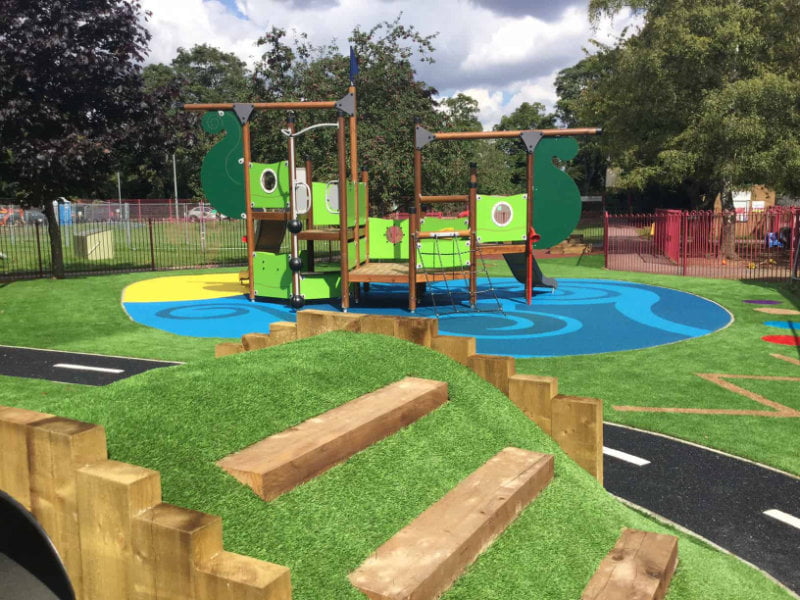
A phased play install across two areas of the grounds, for Nursery through to Key Stage pupils.
View project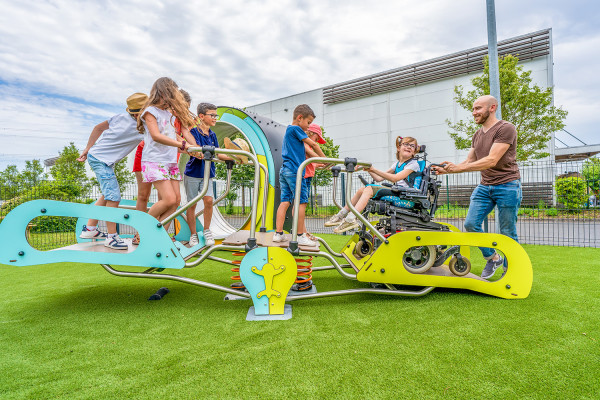
Learning through play develops the whole child. Here is why it matters and how outdoor, active and imaginative play build different skills.
Read articleA practical step-by-step guide to planning a school playground, from auditing your space and setting aims through design, zoning, surfacing and installation.
Read articleWe install playground equipment for schools nationwide. Choose your town for local detail, or get in touch wherever you are.
Tell us about your space and we'll arrange a free site visit, design and fixed quote.