Sensory gardens
Planting, texture, sound, water and colour combined into a calming, enriching space that engages all the senses.
Explore sensory gardensSensory play areas engage sight, sound, touch, smell and movement to help children explore, regulate and learn. Commercial Play designs sensory gardens and zones (water and sand play, tactile trails, musical instruments, scented planting and calming spaces) for early-years and SEN settings.
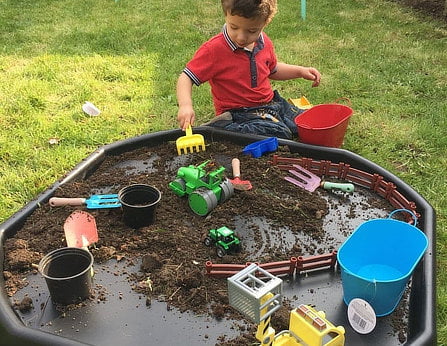
Sensory play is outdoor provision that engages the sight, sound, touch, smell and movement senses to support communication, fine motor control and self-regulation in early-years and SEN children. We design it as a zoned garden: an active area for water, sand and musical play, and a calm retreat for children who need to withdraw and settle.
The value comes from range, not a single item. A child who is overwhelmed in a busy playground can move to a quiet, planted corner, then return to a water channel or a tuned chime when ready. That is why we plan the whole space around the seven senses, including the proprioceptive and vestibular movement senses, rather than dropping one panel onto existing tarmac.
Commercial Play supplies and installs the following sensory play types: sensory gardens, sand and water play, outdoor musical play, and raised planters and growing areas. Each engages a different sense mix, sits at a different price and needs different groundworks, so we specify by your pupils, age range and site rather than a house default. Tactile trails, scented planting and calm retreats are woven through wherever a setting calls for them.
Here is a one-line view of each, with full detail on the dedicated pages.
Planting, texture, sound, water and colour combined into a calming, enriching space that engages all the senses.
Explore sensory gardensHeight-adjustable water channels, pumps and sand tables that build fine-motor control, early science and cooperative play.
Explore sand & water play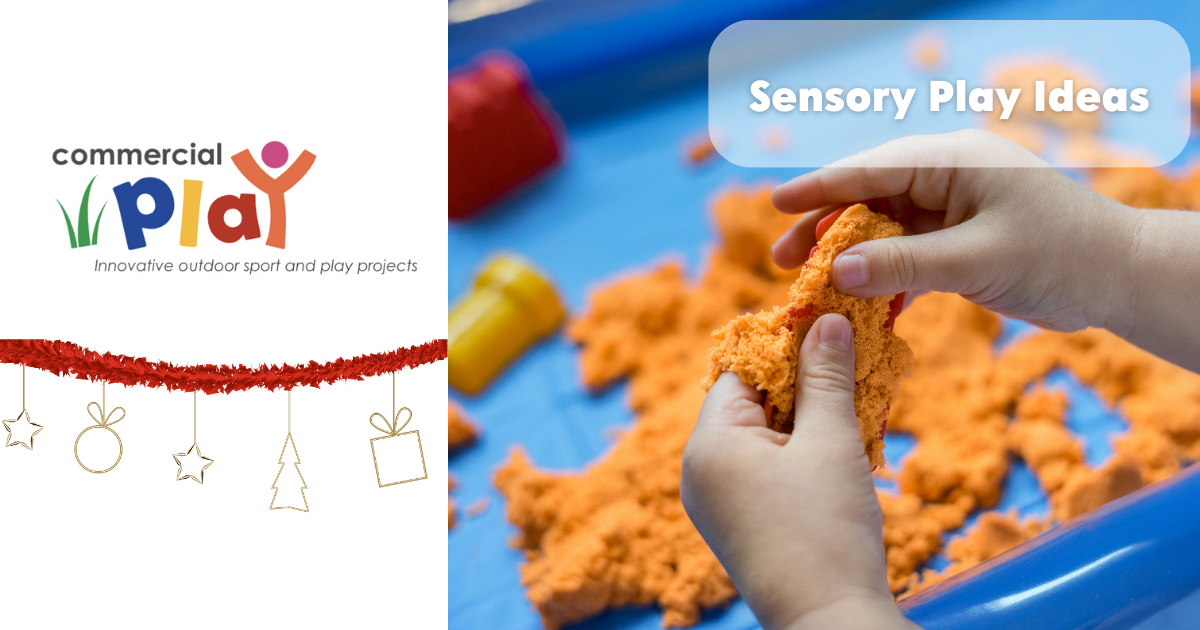
Weatherproof outdoor chimes, drums and bells, tuned so any combination sounds good, for inclusive, no-skill-needed music-making.
Explore musical play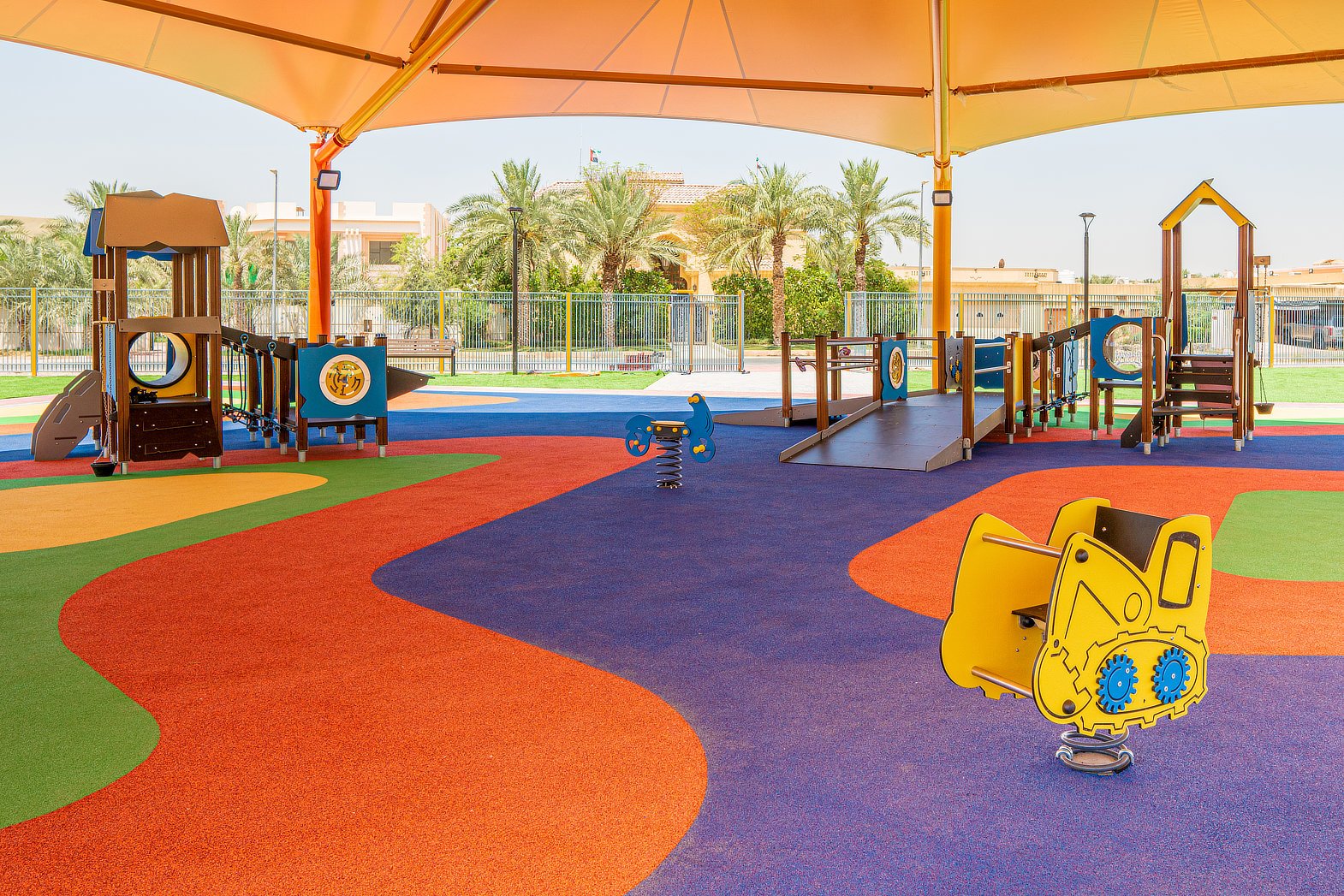
Raised, accessible beds where children sow, tend and harvest, linking play to science, food and nature.
Explore planters & growing areasA zoned sensory garden is the best all-round choice for most SEN and early-years settings, holding planting, texture, sound and a calm retreat inside one boundary. From there, sand and water play suits fine-motor and early-science work, outdoor musical play suits inclusive no-skill group activity, and raised planters suit linking play to food, science and nature.
For an SEN or early-years setting we usually lead with the sensory garden, then add water and musical play as active anchors. Where budget is tight, a run of accessible planters and a set of tuned chimes deliver a strong sensory return for a modest outlay, and the space can grow in phases.
A professionally installed sensory garden costs around 150 to 250 pounds per square metre, so a typical 50 square metre school scheme runs to roughly 7,500 to 12,500 pounds. These are indicative ranges to confirm at survey, not fixed prices: simple planting, seeded lawn and standard raised beds sit at the lower end, while paved paths, water features and tuned instruments push the figure up.
At a project level we see small sensory areas at about 5,000 to 15,000 pounds, medium zones at 15,000 to 30,000 pounds, and larger schemes above 30,000 pounds. Your final cost is driven by the area, the balance of planting versus built features, the number of instruments and water units, the accessible surfacing beneath, and site access. For a firm number, get a sensory play quote and we will price your exact site.
| Sensory play type | Typical scale | Indicative cost | Lifespan | Best for |
|---|---|---|---|---|
| Sensory garden | 20m² to 80m² | £150 to £250 / m² installed | 15 years or more (planting matures over seasons) | A whole-setting calming and stimulating zone |
| Sand and water play | 1 to 4 units | £600 to £2,500 per unit | 10 to 15 years | Fine-motor control, early science, cooperative play |
| Outdoor musical play | 2 to 6 instruments | £800 to £4,000 per instrument | 15 to 20 years | Inclusive, no-skill group music-making |
| Raised planters and growing areas | 3 to 8 beds | £300 to £900 per bed | 10 to 15 years | Linking play to food, science and nature |
Indicative UK market ranges to confirm against your own pricing at survey. Accessible surfacing beneath water and musical zones is quoted separately.
Sensory play equipment is governed by BS EN 1176, the playground equipment standard, and any impact-absorbing surface beneath it by BS EN 1177, the impact-attenuation standard. Part 8 of BS EN 1176 covers spatial and accessibility requirements, so ground-level access, transfer points and clear circulation are designed in from the start rather than added later.
Water play must be designed so standing water cannot pool and create a slip or hygiene risk, and we specify draining, recirculating or dam-and-flow channels to suit. Accessible routes follow inclusive-design guidance under the Equality Act 2010, and we specify paths at a minimum 1.2m clear width so a wheelchair and a walking child can pass. We install to these standards and can arrange independent RPII or RoSPA inspection where you want the finished area signed off.
Accessible sensory play is set by reach and circulation, so we specify raised beds and water tables at around 600 to 750mm high with knee clearance beneath, letting a seated wheelchair user work at the same level as a standing child. Paths run at a minimum 1.2m clear width, widening to about 1.5m at turning and gathering points.
Sand and water units for early years typically stand at about 400 to 600mm so toddlers reach the tray safely, while musical instruments are set at mixed heights so a standing child and a seated child can both play the same marimba or chimes. Where a child needs to withdraw, we size calm retreats for one to three children with clear sightlines for staff. Not sure what your pupils need? Book a free site survey and we will set the levels to your age range and mobility mix.
Commercial Play installs sensory play as a designed landscape, not a single drop-in unit, working over prepared ground with an accessible path network tying the zones together. We set out the layout, excavate and lay the surfacing and paths, install the water, sand and musical units on firm foundations, then plant the scented and textured beds to a spring-to-autumn sequence.
Water play is plumbed to a mains, pumped or recirculating supply with free drainage so no standing water is left. Musical instruments in Ipe hardwood or powder-coated steel are bolted to concrete or ground-screw foundations, and raised beds are built and filled ready to sow. We phase larger gardens where we can so part of the space stays open, and we programme the work around term times and school routines.
Outdoor musical instruments and steel or HDPE sensory units typically last 15 to 20 years with routine care, because Ipe hardwood, powder-coated steel and marine-grade fixings are built for constant outdoor use. Sand and water play units and raised beds sit lower, at around 10 to 15 years, as pumps, seals and timber take more wear.
Planting is the part that improves with age: a sensory garden matures over its first two to three seasons as scented and textured plants establish, then gives years of colour, fragrance and movement. We service pumps, refresh planting and repair panels and beds rather than rip and replace, and we inspect, repair and renovate existing sensory areas whoever installed them; see playground repairs and maintenance.
Sensory play develops communication, fine motor control and emotional regulation by engaging the sight, sound, touch, smell and movement senses across one space. A well-planned area does three more things well: it gives a calm retreat for children who need to withdraw, it builds hand strength through water and sand work, and it links play to nature through scented, textured planting.
Water and sand play develop the pincer grip and pouring control that underpin early writing, while tuned outdoor instruments let a whole group make music with no skill needed, so no child is left out. Scented lavender and jasmine, textured ornamental grasses and the movement of a water channel give the varied input that helps children with autism and sensory-processing differences settle and engage. Accessible bed and path heights let a wheelchair user and a walking child work side by side, which matters for SEN and EYFS settings; see our SEN and inclusive play range.
Commercial Play designs, supplies and installs sensory play in-house across England and Wales, so one team owns the job from survey to handover. We survey each site, read your pupils' age range and mobility mix, and specify the garden, water, musical and planting zones to match, not a one-size template.
We fit the whole sensory range and the accessible surfacing beneath it, so our recommendation follows your setting rather than the one product we happen to sell. We also repair and refresh tired sensory areas and link them to your wider play and quiet spaces, which means we can extend what you already have instead of defaulting to a full rebuild. Talk to us about your sensory space and we will tell you honestly what it needs.
A sensory garden is an outdoor space designed to engage the senses through planting, texture, sound, water and colour. It gives children, particularly those with SEN, a rich, calming environment to explore and self-regulate in, and we zone it so an active area and a quiet retreat sit within one boundary.
All young children benefit from sensory play, and it is especially valuable for children with autism, sensory-processing differences or other additional needs, supporting communication, motor skills and emotional regulation. We design a mix of stimulating and calming zones so every child can find the level of input that suits them.
Indicatively, a professionally installed sensory garden costs around 150 to 250 pounds per square metre, so a typical 50 square metre scheme is roughly 7,500 to 12,500 pounds. Small areas sit at about 5,000 to 15,000 pounds and larger schemes above 30,000 pounds, with the balance of planting, water features and instruments moving the figure. These are market ranges to confirm at a site survey.
Sensory play equipment is installed to BS EN 1176, and any impact-absorbing surface beneath it to BS EN 1177. Part 8 of BS EN 1176 covers spatial and accessibility requirements, and accessible routes follow inclusive-design guidance under the Equality Act 2010. We can arrange independent RPII or RoSPA inspection where you want the area signed off.
For wheelchair and seated access we specify raised beds and water tables at around 600 to 750mm high with knee clearance beneath, so a seated child works at the same level as a standing one. Early-years sand and water units usually stand at about 400 to 600mm, and paths run at a minimum 1.2m clear width for wheelchair access.
Yes, when it is designed to drain. We specify draining, recirculating or dam-and-flow water channels so standing water cannot pool and create a slip or hygiene risk, and we set units at safe reach heights for the age group. The surfacing beneath is slip-resistant and free-draining.
Outdoor musical instruments and steel or HDPE units typically last 15 to 20 years, as Ipe hardwood, powder-coated steel and marine-grade fixings are built for constant outdoor use. Sand and water units and raised beds sit at around 10 to 15 years, while planting matures and improves over its first two to three seasons.
Yes. Sensory zones can be created within an existing playground or garden, and we design them to fit the space and link naturally to your other play and quiet areas. We can phase the work so part of the space stays open, and install around term times and school routines.
No. We install tuned outdoor instruments such as marimbas, chimes and drums that sound good in any combination, so children of any ability make music with no skill needed. Instruments are set at mixed heights so a standing child and a seated wheelchair user can play the same unit together.
Yes. We include tactile trails, musical play, scented planting and calm retreats, with clear sightlines and predictable, clearly zoned layouts that support children with autism and sensory-processing differences. Our wider SEN and inclusive play range extends this across the whole playground; see /inclusive-sen-play/.
We choose plants for fragrance, texture, colour and movement across the seasons, such as scented lavender and jasmine, soft lamb's ear and ornamental grasses that catch the wind. Planting is arranged in a spring-to-autumn sequence so there is something to smell, touch and watch through most of the school year.
A sensory garden balancing stimulation and calm gave pupils with additional needs a rich, accessible space to explore, regulate and play together.
View project
How to design an inclusive playground for SEN and special schools, covering accessible surfacing, wheelchair-friendly equipment, sensory zones and clear layouts.
Read article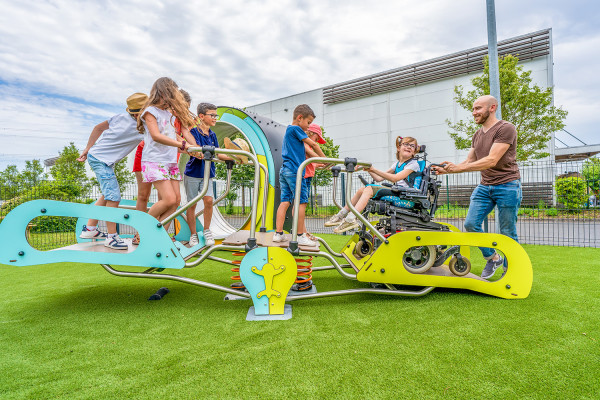
Learning through play develops the whole child. Here is why it matters and how outdoor, active and imaginative play build different skills.
Read articleTell us about your space and we'll arrange a free site visit, design and fixed quote.