Playground Risk Assessment Checklist for Schools
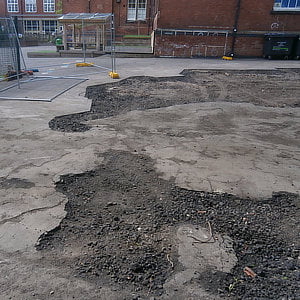
A playground is one of the highest-use, highest-risk areas in any school, so a regular risk assessment is part of your duty of care. This checklist gives staff a practical, plain-English routine for spotting hazards early, and shows where a professional inspection takes over.
The three levels of checking
Good practice has three tiers: a quick routine visual check by staff (often daily or weekly), a more detailed operational inspection each term, and an independent annual main inspection by an RPII-qualified inspector against BS EN 1176. The checklist below covers the routine and operational checks your own team can do.
The checklist
Surfacing
- Any splits, holes, trips or worn patches in the safety surfacing?
- Is the surface still firmly bonded, with no lifting edges?
- Any standing water that suggests a drainage problem?
Equipment
- Loose bolts, fixings or foundations that have worked free?
- Sharp edges, splinters, protruding screws or broken components?
- Worn ropes, chains, bearings or moving parts on swings and rotators?
- Damaged or missing platform guarding and barriers?
Entrapment and fall zones
- Any new finger, head or clothing entrapment points?
- Are the safety zones around equipment clear of obstructions?
Boundaries and site
- Is the fencing secure, and are gates closing and latching properly?
- Any vandalism, litter, glass or animal fouling to clear?
What to do when you find a fault
Log it and grade it: is it an immediate danger, or something to monitor and plan for? If a piece of equipment is dangerous, take it out of use straight away and cordon it off, then arrange a repair. We can fix faults on equipment of any make.
When to bring in a professional
Your own checks catch day-to-day wear, but the annual main inspection needs an independent, RPII-qualified inspector who assesses the whole area to the standard and gives you a written, risk-rated report, strong evidence of your duty of care. For hazards specific to the youngest children, see our guide to nursery playground hazards. To book an inspection or a repair, get in touch.
Related questions
How often should a school playground be risk assessed?
Best practice is three tiers: a routine visual check by staff (often daily or weekly), a more detailed operational inspection each term, and an independent annual main inspection by an RPII-qualified inspector. Together these keep the area safe and evidence your duty of care.
Who can carry out a playground inspection?
Staff can carry out the routine and operational checks. The annual main inspection should be done by an RPII-registered inspector, who assesses the equipment and surfacing to BS EN 1176 and provides a written, risk-rated report.
What should we do if we find a dangerous fault?
Take the equipment or area out of use immediately, cordon it off to keep children clear, log the fault, and arrange a repair as soon as possible. We repair equipment of any make and can advise on making the area safe in the meantime.
More from the blog
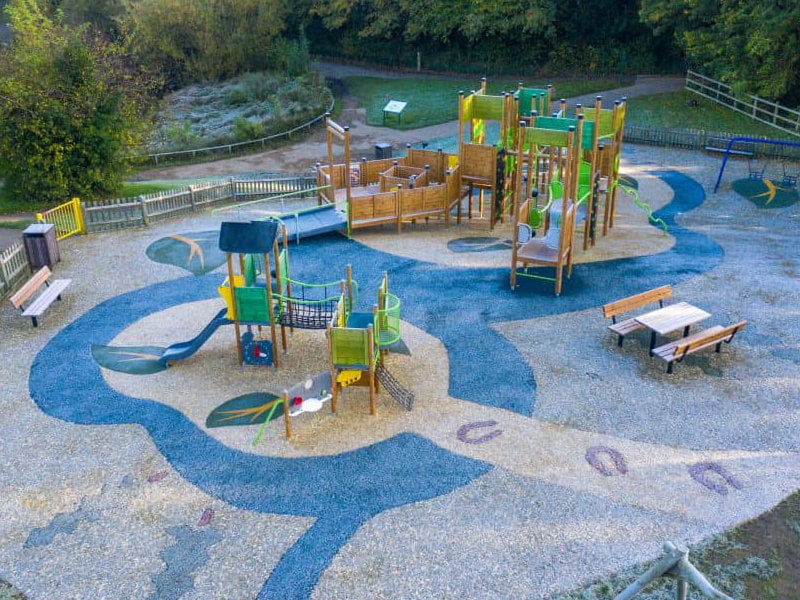
Wet Pour vs Rubber Mulch: Which Playground Surface Is Best?
Both are recycled-rubber safety surfaces tested to BS EN 1177, but they look and behave differently. Here's how to choose between them.
Read article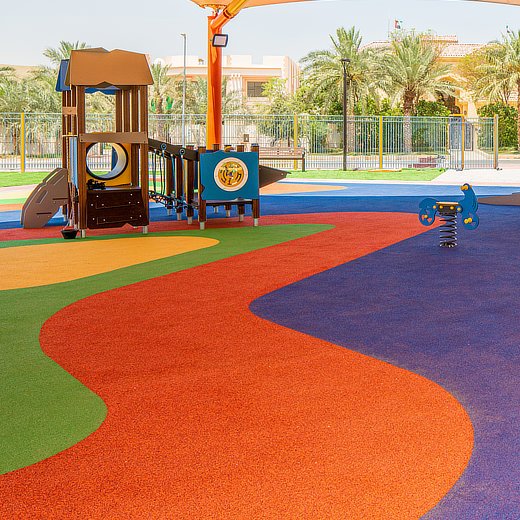
Playground Safety Surfacing Explained: How to Choose
Choosing safe playground surfacing means matching it to equipment fall height under BS EN 1177. Compare wet pour, rubber mulch, grass mats and bark.
Read article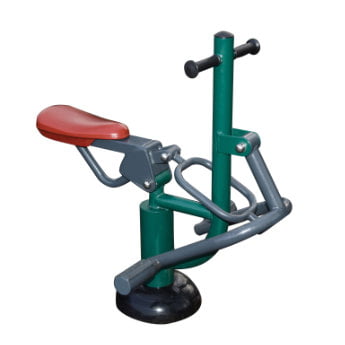
Nursery Playground Hazards: 7 Risks and How to Fix Them
The seven most common nursery playground hazards, from unsafe surfacing to gate safety, with the practical fix for each and the standards that apply.
Read article