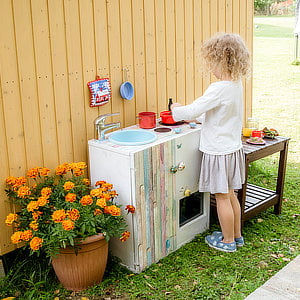
Sensory Gardens
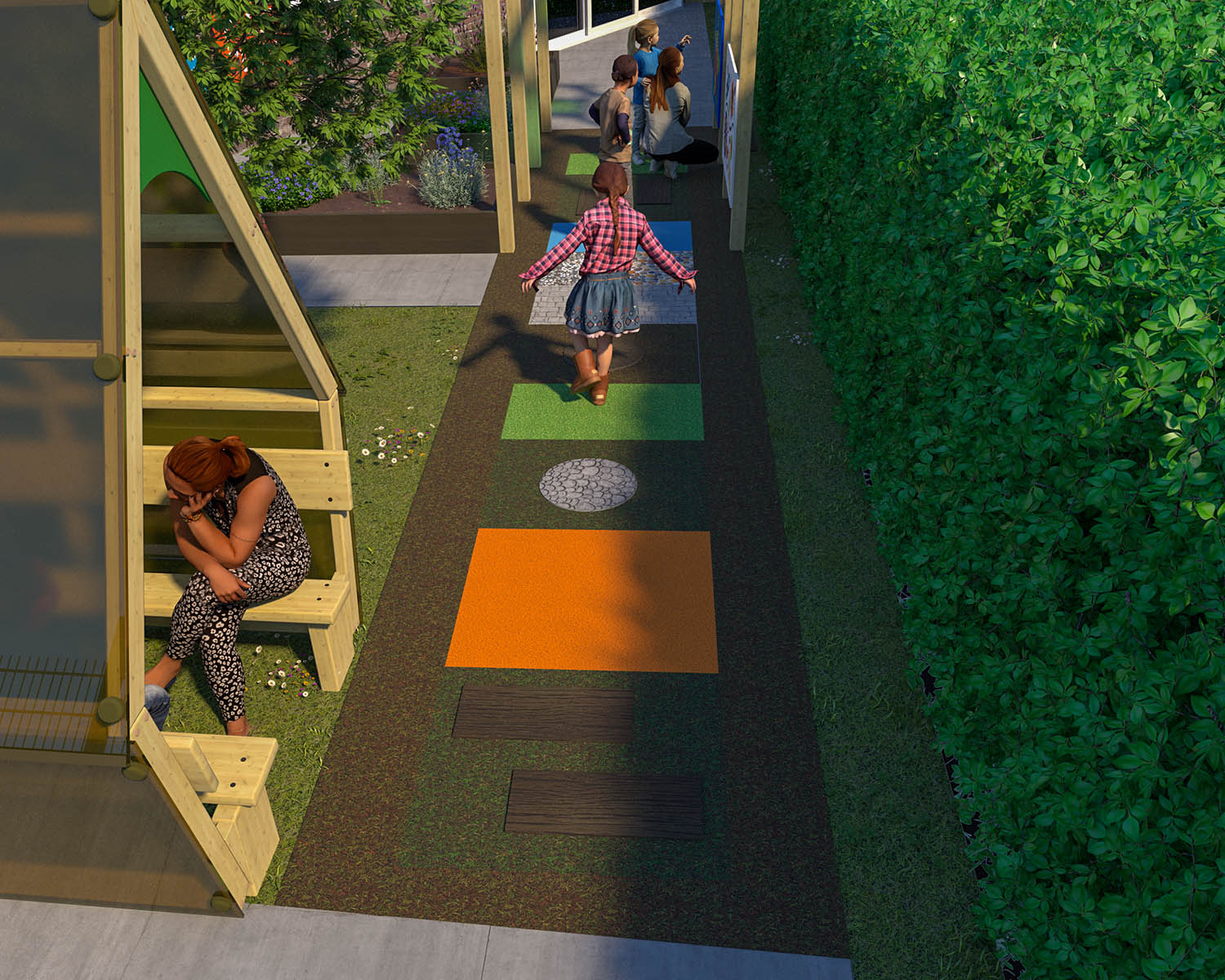
A sensory garden is a designed outdoor space that gently stimulates sight, sound, touch, smell and movement, turning planting, texture and colour into a calming place to explore.
View sensory gardensOutdoor planters and growing areas are raised beds and growing zones where children sow, tend and harvest their own plants, turning the playground into a hands-on outdoor classroom.
Outdoor planters and growing areas are raised beds and cultivation zones where children sow, tend and harvest their own crops across the school year. We build them from recycled plastic or treated timber, set the soil at a reachable height, and place them in a sunny spot with easy access to water so a class can plant, weed and pick over weeks and months.
A growing area is more than a bed of soil. It is a living, changing patch that connects the science curriculum to real life, encourages healthy eating, and teaches responsibility and patience as children care for something that depends on them. We plan the layout, the bed heights and the crop choices around the pupils who will use it and the term dates they work to.
Commercial Play makes outdoor planters and growing areas from 100 percent recycled plastic or FSC treated softwood, filled with a free-draining topsoil and compost mix at least 250mm deep so roots have room to establish. Recycled plastic beds carry a guarantee of up to 25 years, resist rot and pests, and need no annual treatment; treated timber gives a natural finish and lasts 10 to 15 years with care.
We level the ground, position each bed in a sunny, reachable spot near a water point, and set the working height to the users: about 600mm for wheelchair access from a seated position and 750mm for standing without deep bending. Beds up to 500mm wide suit access from one side against a wall, while 1m wide beds allow children to reach in from all around.
Outdoor planters and growing areas suit schools, nurseries and SEN settings from early years through to upper juniors, and we set them at mixed heights so every child takes part. A 600mm accessible bed lets a wheelchair user pull up close and dig in alongside a standing child at a 750mm bed, which turns growing into a shared activity rather than one some pupils watch from the side.
Growing areas earn their place across gardening clubs, science lessons, forest school and lunchtime routines. They pair naturally with a sensory garden for scent, taste and seasonal change, and sit well beside sensory play and inclusive and SEN play so the whole outdoor space works for children of all abilities.
A single recycled plastic raised bed costs roughly 150 to 400 pounds installed, with a full growing area of several beds, a water point and pathways running into the low thousands. These are indicative UK ranges to confirm at survey, not fixed prices: a small 1m one-sided bed sits at the lower end, while a 600mm wheelchair-accessible bed in recycled plastic reaches the upper end.
Your final cost is driven by the material, the number and size of beds, the working height, the ground preparation and access to water. Recycled plastic costs more up front than treated timber but carries a guarantee of up to 25 years and no maintenance budget, so it often works out cheaper over its life. For a firm number, get a growing area quote and we will price your exact site.
Outdoor planters and growing areas follow the Equality Act 2010 duty to make school facilities usable by disabled pupils, which we meet by setting accessible beds at about 600mm and keeping clear, firm approaches around them. A manual wheelchair needs a turning circle of roughly 1,575mm, so we space beds and paths to give a child room to pull up square to the bed and reach the soil.
Where a growing area sits within wider play, any adjoining equipment stays governed by BS EN 1176 and its safety surfacing by BS EN 1177, and we match a firm, free-draining path such as wet pour so wheelchairs and walking aids reach every bed without a lip or loose fill. We design past the legal baseline so access is genuine, not just technically met.
Outdoor planters and growing areas work best at a working height of 600 to 750mm, a reach-in width of 500mm from one side or 1m from both, and a soil depth of at least 250mm so most school crops establish and hold moisture. Salad leaves and herbs are happy in 250 to 300mm, while beans, peas and root crops prefer 300mm or more, which we build in where the crop plan calls for it.
We match crops to your space, sunlight and term dates, steering towards quick, rewarding growers like salad leaves, beans, peas, strawberries and herbs that give pupils a result before the holidays. For beds standing on hard surfaces we deepen the fill so roots that cannot reach the ground below still have the depth they need.
| Bed type | Working height | Reach-in width | Min soil depth | Lifespan | Best for |
|---|---|---|---|---|---|
| Standing bed | 750mm | 500mm to 1m | 250mm+ | 10 to 25 years | Standing pupils, gardening clubs, junior classes |
| Wheelchair-accessible bed | 600mm | 500mm one-sided | 250mm+ | 10 to 25 years | Seated access, SEN settings, inclusive growing |
| Kneeler / early-years bed | 300mm | 500mm to 1m | 250mm+ | 10 to 25 years | Nursery and reception, kneeling to sow and harvest |
Indicative UK dimensions to confirm at survey. Lifespan varies by material: treated timber 10 to 15 years, recycled plastic up to 25 years or more.
Outdoor planters and growing areas last 10 to 15 years in FSC treated timber and up to 25 years or more in recycled plastic, which resists rot, pests and the British climate without annual treatment. Recycled plastic beds commonly carry a 25-year guarantee, while treated softwood needs occasional checks and a re-treat to reach the upper end of its range.
We recommend recycled plastic where a school wants a fit-and-forget bed with no upkeep budget, and treated timber where a natural look matters more and the setting can maintain it. Hardy perennials and herbs planted within the beds largely look after themselves, so the growing area keeps producing across seasons and holidays with a simple watering rota.
Outdoor planters and growing areas bring the science curriculum outdoors, letting children watch life cycles, seasons and growth at first hand rather than from a textbook. Growing and tasting their own salad leaves, beans and strawberries makes healthy eating real, while tending a bed over weeks teaches responsibility, patience and care for something that depends on them.
Accessible beds at 600mm let wheelchair users and standing children plant, water and harvest side by side, so the activity includes every pupil. A growing area also adds scent, taste and seasonal change beside a sensory garden, links to hands-on messy learning near sand and water play, and gives a calm, purposeful corner that suits inclusive and SEN play.
Commercial Play designs, supplies and installs outdoor planters and growing areas in-house across England and Wales, so one team owns the job from survey to handover. We survey each site, pick a sunny spot near water, and set the bed material, height and layout to your pupils and budget rather than a one-size template.
We fit both recycled plastic and treated timber, so our recommendation follows your site and how you will maintain it, not the one product we happen to sell. We build accessible heights in as standard and set the growing area within your wider sensory play and outdoor learning space. Talk to us about your growing area and we will tell you honestly what it needs.
Indicatively, a single recycled plastic raised bed is around 150 to 400 pounds installed, and a full growing area of several beds with a water point and paths runs into the low thousands. These are UK market ranges to confirm at survey, as the material, bed sizes, heights and ground preparation all move the figure.
Yes. We set accessible beds at about 600mm so a wheelchair user can pull up close and work from a seated position, with clear firm space around them for a turning circle of roughly 1,575mm. That way every pupil can sow, water and harvest hands-on rather than watching from the side.
We build to the users: about 300mm for early years kneeling to sow, 600mm for wheelchair access from a seated position, and 750mm for standing without deep bending. Mixing heights across a growing area lets children of different ages and abilities all take part comfortably.
Recycled plastic beds resist rot and pests, need no annual treatment and carry a guarantee of up to 25 years, so they suit a fit-and-forget growing area. FSC treated timber gives a natural finish and lasts 10 to 15 years with occasional care, so the choice comes down to look, budget and how the setting will maintain it.
Most school crops need at least 250mm of free-draining topsoil and compost, with salad leaves and herbs happy in 250 to 300mm and beans, peas and root crops preferring 300mm or more. For beds standing on a hard surface we deepen the fill so roots that cannot reach the ground below still have the depth they need.
Plenty that fits the school year, such as salad leaves, beans, peas, strawberries, herbs and easy flowers, all quick and rewarding to grow. We help you match crops to your space, sunlight and term dates so pupils see satisfying results before the holidays.
It is worth planning holiday care from the outset, and we can help with hardy, low-maintenance planting that copes with a break. Many schools set up a simple watering rota, involve gardening clubs, or choose hard-wearing perennials and herbs that largely fend for themselves.
A recycled plastic growing area lasts up to 25 years or more and commonly carries a 25-year guarantee, while FSC treated timber lasts 10 to 15 years with occasional re-treating. The beds outlast the planting inside them, so the structure keeps producing season after season with routine watering and care.
Yes, and the two pair naturally. A growing area adds scent, taste and seasonal change beside a sensory garden, and both sit well within a wider sensory and inclusive play space, so children move between growing, sensory play and messy hands-on learning in one outdoor area.
Part of our full sensory play range, explore the other surfaces below.
A sensory garden is a designed outdoor space that gently stimulates sight, sound, touch, smell and movement, turning planting, texture and colour into a calming place to explore.
View sensory gardens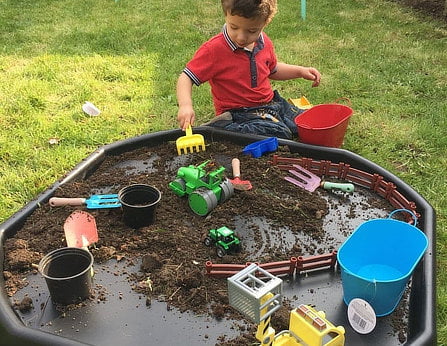
Outdoor sand and water play lets children pour, dam, dig and channel at height-adjustable stations, turning simple materials into hands-on early science, language and cooperative play.
View sand & water play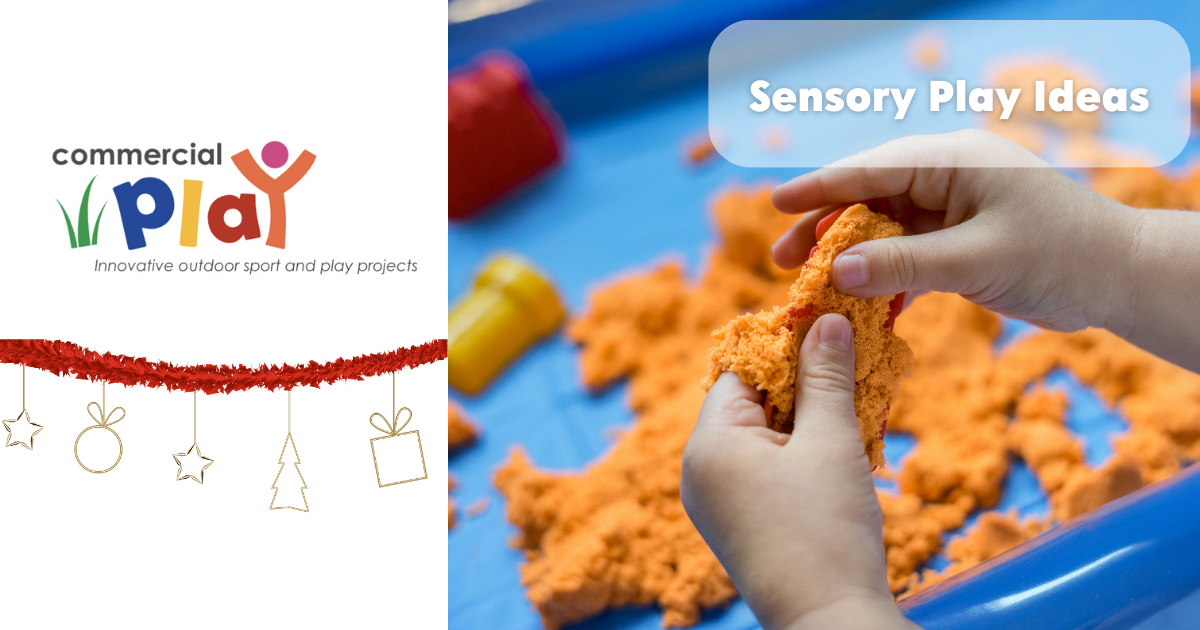
Outdoor musical play equipment is hard-wearing tuned instruments for the playground, from chimes and drums to tubular bells, letting any child make music that sounds good with no skill needed.
View musical playBook a free site visit and we'll measure up, recommend the right surface and send a clear, fixed quote.